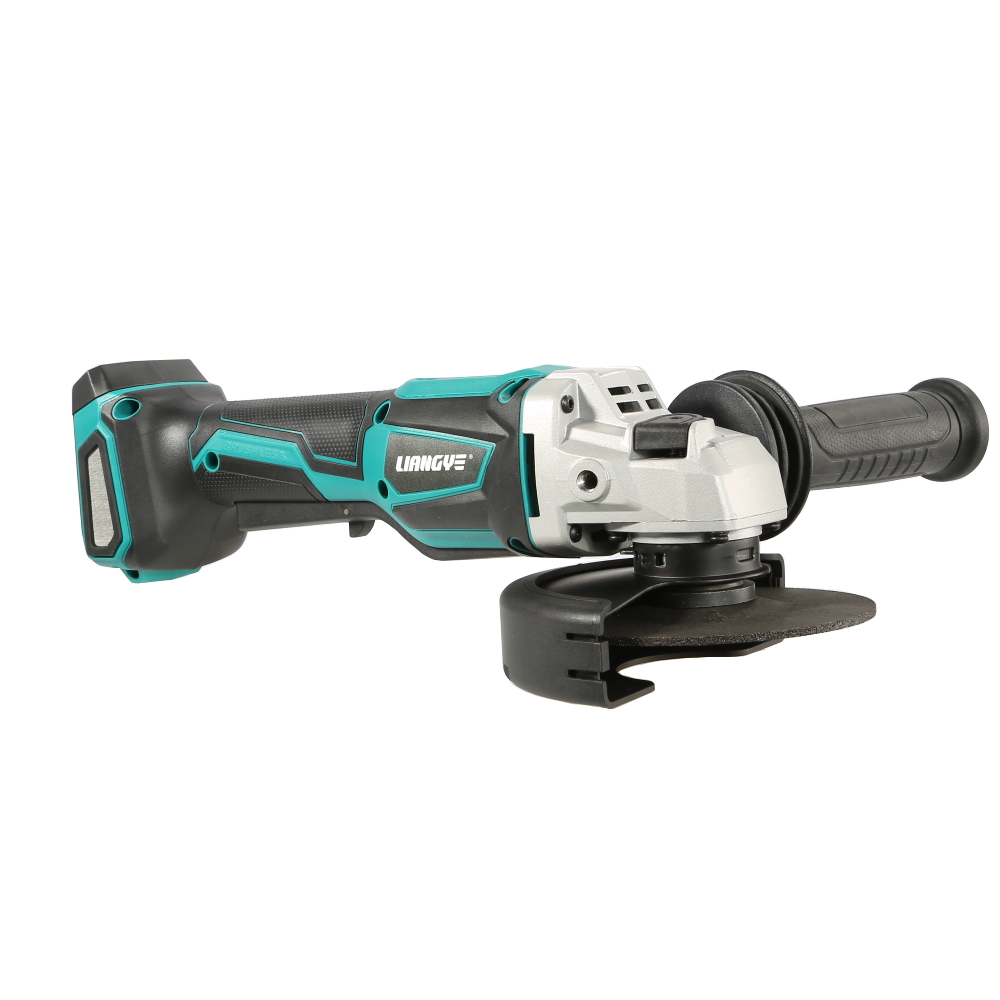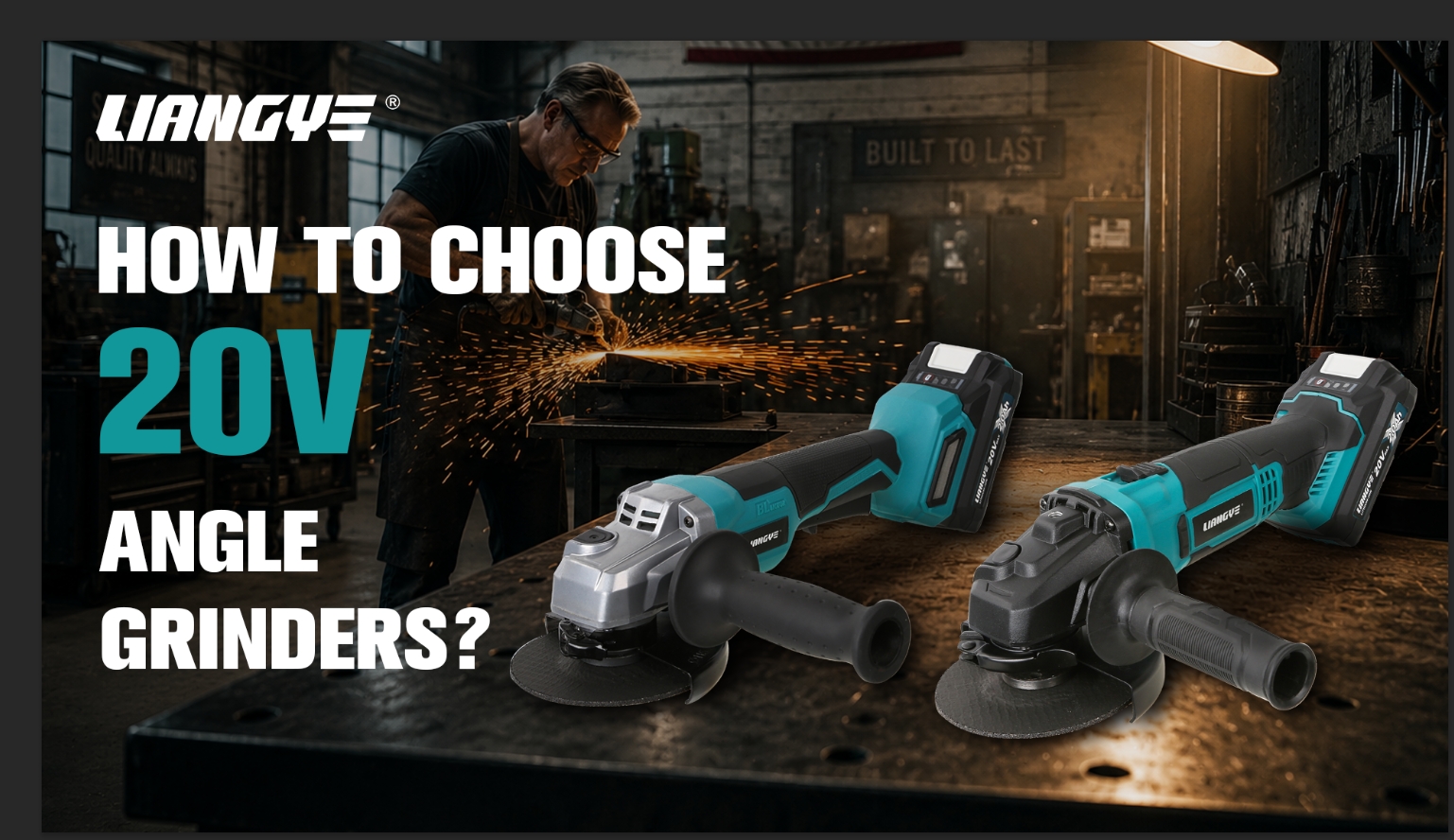
Transitioning to a battery-powered platform eliminates job site trip hazards. It instantly removes your daily dependency on noisy generators. However, purchasing the wrong grinder often leads to stalled cuts. You might face premature battery drain and serious safety risks. The 20V platform represents the industry sweet spot today. It perfectly balances daily portability against raw cutting power. Yet, navigating the current market requires careful and strict evaluation. You must filter out exaggerated manufacturer claims regarding peak torque.
We created this guide to solve this exact problem. We provide an evidence-based, decision-stage framework for professionals. You will learn how to evaluate motor specs effectively. We will break down essential safety features for compliance. You will also understand ecosystem compatibility constraints clearly. Review these factors closely before committing to any specific 20V system. This approach saves you from costly tool replacements later. You can confidently equip your crew for heavy fabrication or light automotive work.
Key Takeaways
Motor Efficiency: Upgrading to a brushless model is non-negotiable for commercial use; it extends battery life and triples tool longevity under heavy loads.
Application Dictates Specs: High RPM (8,000–11,000) suits metal cutting, while lower, controllable speeds are critical for surface prep and polishing.
Safety Over Savings: Features like electronic brakes, anti-kickback sensors, and paddle switches are essential compliance factors, not optional luxury add-ons.
The Business Case: Evaluating a 20V Cordless Grinding Tool
You need to assess true tool capabilities before buying. A 12V sub-compact model feels great in your hand. However, it lacks the required torque for heavy fabrication. Conversely, 60V heavy-duty models deliver massive power output. Yet, they weigh far too much for prolonged overhead work. The 20V platform hits the ideal middle ground perfectly. We consider it the gold standard for most contractors. You can use a cordless grinding tool daily without experiencing severe fatigue.
Heavy grinding behaves differently than simple sheet cutting. Cutting thin metal uses intermittent bursts of electrical energy. Grinding requires sustained, high-amperage output from your battery. This continuous load drains lithium-ion batteries rapidly. You cannot rely on standard 2.0Ah packs here. We recommend high-amp-hour batteries for these heavy tasks. You should equip packs rated at 5.0Ah or higher. These larger batteries prevent premature voltage drops. They keep your motor running at peak efficiency longer.
Consider the massive mobility advantage on real job sites. Extension cords create constant, dangerous trip hazards everywhere. They also require nearby power sources or loud generators. You eliminate these headaches completely by going cordless. Remote job sites become much easier to manage quickly. Automotive chassis work benefits immensely from this untethered freedom. High-scaffolding operations become significantly safer for your crew. You save valuable setup and teardown time on every shift.
| Platform Voltage | Primary Use Case | Mobility & Weight |
| 12V Sub-Compact | Light cutting, tight spaces, PVC | Extremely light, highly mobile |
| 20V Standard | General fabrication, masonry, auto repair | Balanced weight, versatile mobility |
| 60V Heavy-Duty | Industrial pipeline grinding, thick steel | Heavy, causes fatigue overhead |
![20V cordless angle grinder for cutting and grinding]()
Core Specifications: From Specs to Field Outcomes
Let us examine internal motor architecture first. You must decide between brushed and brushless structural designs. Brushed motors cost less upfront at the hardware store. However, they require frequent, annoying carbon brush replacements. We strongly advise choosing a brushless angle grinder for professional use. Brushless motors run significantly cooler under heavy friction loads. They draw less power from your attached battery pack. They also prevent thermal shutdowns during extended cutting sessions. The long-term durability easily justifies the higher initial purchase price.
Next, you must properly size the guard and disc. Why does the 5 inch cordless grinder dominate modern job sites? It offers the absolute best balance of maneuverability and depth. A 4.5-inch to 5-inch tool fits into tight structural spaces easily. It still provides adequate cutting depth for standard steel pipe. Furthermore, consumables for this size remain highly cost-effective globally. You can find replacement discs at any local hardware store. Smaller discs wear out too fast, while larger ones feel clumsy.
Control and precision matter just as much as raw speed. Fixed high-speed models excel at aggressive stock removal tasks. They spin near 11,000 RPM constantly without hesitation. However, a variable speed angle grinder gives you crucial operational flexibility. You can dial down the RPM for sensitive materials. Slower speeds prevent heat-tint on expensive stainless steel surfaces. They allow for detailed woodworking or polishing tasks. Variable speed is absolutely mandatory for automotive surface prep. It stops you from aggressively gouging thin base metals.
Key Benefits of Upgrading Motor Specs
Eliminates frequent carbon brush maintenance downtime.
Maintains consistent RPM even when pushed hard against metal.
Maximizes the runtime of your 5.0Ah lithium-ion batteries.
Reduces overall tool vibration, lowering operator hand fatigue.
Job-to-Tool Mapping: Choosing Based on Material
Metal fabrication requires specific performance traits from your equipment. You need high RPM and aggressive torque output constantly. A dedicated metal cutting grinder handles thick steel effortlessly. Think carefully about your consumable strategy here. Abrasive cut-off wheels fit tight budgets initially. However, they shrink rapidly during use and require frequent changes. We recommend investing in premium diamond metal-cutting discs. They maintain their full functional diameter over time. They ultimately deliver a much lower cost-per-cut.
Concrete, masonry, and tile present entirely different workplace challenges. You need sustained torque to drive heavy diamond cup wheels. Silica dust poses a severe implementation risk indoors. It aggressively destroys unprotected tool motors within weeks. You must use compatible dust shrouds on your grinder. Emphasize models featuring fine mesh intake filters. Wet-cutting capabilities also help manage harmful airborne particles effectively. Always use shallow pass techniques on hard concrete surfaces. This approach prevents motor burnout and extends blade life.
Automotive repair and restoration demand distinct finesse and control. Mechanics operate inside tight wheel wells constantly. You need compact gear housings for these cramped environments. Strip discs work perfectly for paint and rust removal. They strip the surface without gouging the sensitive base metal. A bulky, oversized tool makes these delicate tasks nearly impossible. Auto body professionals heavily rely on variable speed settings. It ensures they never burn through thin body panels.
Mandatory Safety and Compliance Features
Modern safety features protect you from severe, life-altering injuries. Electronic braking systems lead this category in importance. They stop a spinning abrasive wheel in under two seconds. Older grinder models force you to wait for free-spin to stop. This dangerous delay often leads to accidental workplace damage. Operators set the tool down too early, causing damage. An electronic brake eliminates this specific hazard entirely.
Anti-kickback sensors act as your digital, invisible safety net. Electronic clutches (E-Clutch) monitor wheel rotation constantly during operation. Onboard sensors detect sudden binds or pinches immediately. They instantly cut power to the main motor. This quick reaction prevents severe wrist or arm injuries. It also stops abrasive discs from shattering into dangerous shrapnel. We consider this a non-negotiable feature for heavy fabrication.
Switch types dictate your daily operational comfort and OSHA compliance. You must evaluate the classic "Dead Man’s Switch" or paddle. Dropping the tool instantly stops the powerful motor. Many industrial environments require paddle switches for strict safety compliance. Lock-on slide switches offer an alternative for some users. They feel better for sustained, controlled grinding sessions. However, they carry significantly higher operational risks if dropped accidentally.
Restart protection rounds out the essential tool safety list. Imagine swapping a depleted battery for a fresh one quickly. Sometimes you accidentally leave the power slide switch engaged. Restart protection prevents the tool from suddenly roaring to life. It forces you to reset the switch manually first. This simple feature prevents countless job site accidents annually.
Ecosystem Lock-In and Shortlisting Logic
Buying a bare tool locks you into a specific brand. You must decouple the bare tool from the battery ecosystem mentally. Evaluate the replacement cost of spare batteries carefully. Look at the breadth of the manufacturer's other tools. A cheap bare grinder might require incredibly expensive proprietary batteries. You want a platform offering dozens of compatible tools. This ensures your battery investment stretches across multiple trades.
You should clearly understand the budget versus pro-grade tiers.
Under $100 (Bare Tool): These serve as entry-level options. They usually feature older brushed motors. We recommend them strictly for occasional DIY projects. They carry a high risk of thermal overload on commercial jobs.
$120–$200: This tier represents the mid-market sweet spot. You get highly efficient motors and standard safety features. General contractors find excellent value in this specific range.
$250+ (Premium/Kits): These industrial models include advanced telemetry. They offer tool-free disc changes like the fast X-Lock system. Active torque control comes standard here. They deliver the highest reliability for daily industrial fabrication.
Audit your current battery inventory right now. Determine your primary material application before making a purchase. Prioritize the top two safety features your specific job site requires. These simple next-step actions clarify your final tool choice instantly.
Conclusion
Choosing the right 20V cordless angle grinder requires deep, objective evaluation. You must look past exaggerated peak RPM marketing claims. Success depends heavily on matching motor efficiency to your daily tasks. Align the tool's safety profile with your frequent job site demands. Review your existing battery platforms carefully today before buying. Factor in the long-term usage of high-grade grinding discs. Always select a model featuring an integrated electronic brake. This decision ensures your long-term safety and overall productivity.
FAQ
Q: Can a 20V cordless angle grinder fully replace a corded model?
A: Yes, it easily replaces corded models for cutting and light-to-medium grinding. However, continuous heavy pipeline grinding or extensive concrete surfacing pushes battery thermal limits. For those extreme, all-day tasks, you may still require corded or 60V setups to prevent overheating.
Q: Is it worth paying extra for a brushless motor?
A: Absolutely. Brushless motors provide up to 50% more runtime per battery charge. They run significantly cooler under heavy loads. They also eliminate the frequent maintenance of replacing carbon brushes, offering a rapid return on your initial investment.
Q: Can I use a 4.5-inch disc on a 5-inch angle grinder?
A: Yes, smaller discs fit perfectly under the larger 5-inch guard. However, you cannot safely put a 5-inch disc on a 4.5-inch grinder without removing the guard. Removing the guard is a critical safety violation and should never occur.
Q: What is the best battery size for a cordless grinder?
A: Avoid using anything under 4.0Ah for this high-draw tool. A 5.0Ah to 8.0Ah battery provides the necessary sustained amperage. This prevents the grinder from bogging down under heavy pressure and ensures consistent cutting speeds.