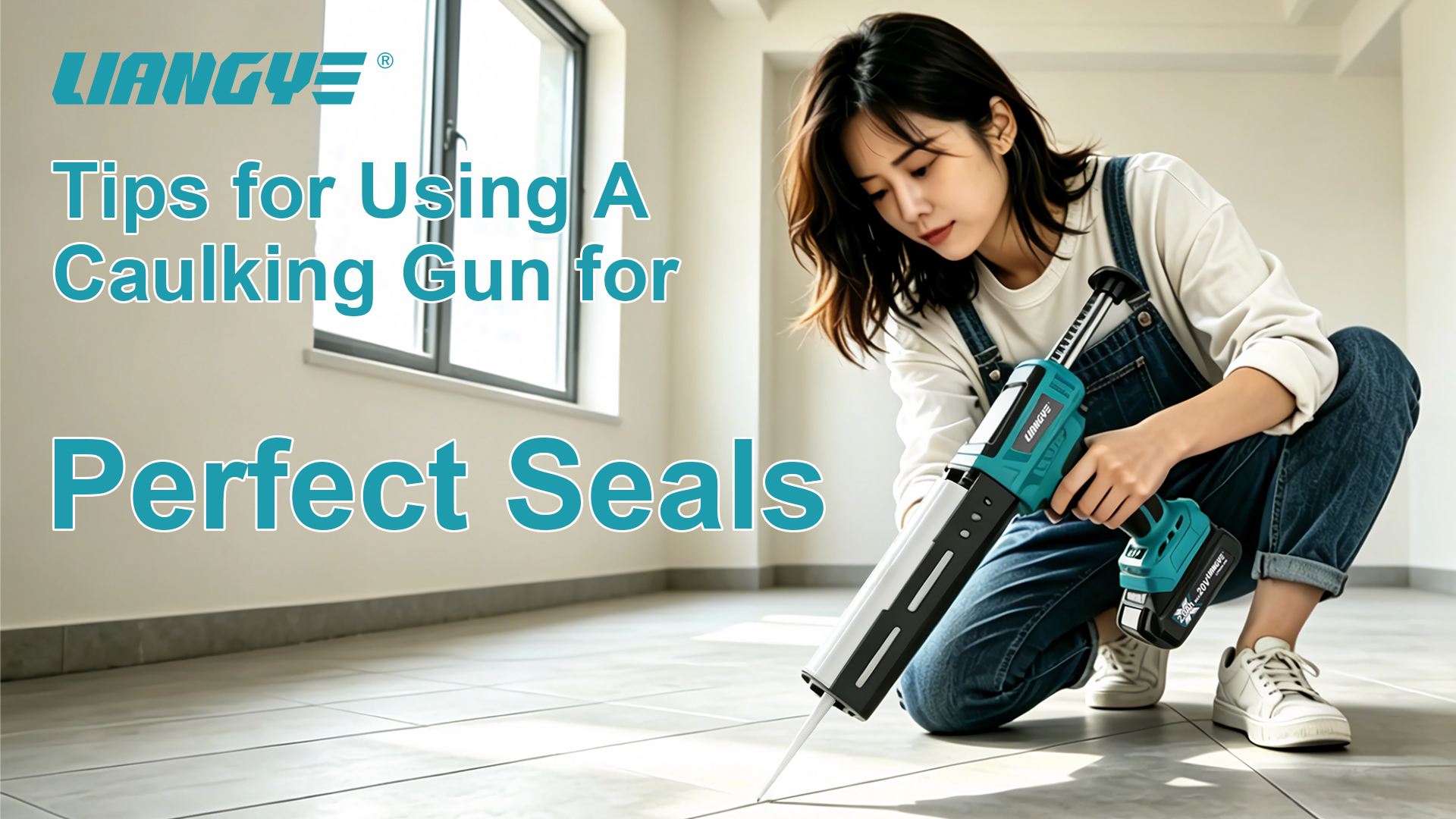
A caulking gun is one of the most essential tools in both professional construction and DIY projects. Whether you are sealing gaps around windows, doors, countertops, or plumbing fixtures, using a caulking gun correctly ensures a clean, professional-looking finish. Many homeowners and even some professionals struggle to achieve smooth, consistent lines, often resulting in messy joints, wasted material, or seals that fail prematurely.
Understanding the proper techniques, materials, and maintenance of a caulking gun is crucial for achieving perfect seals every time. This article provides comprehensive guidance on using a caulking gun, covering everything from choosing the right caulk to surface preparation, application methods, finishing techniques, and cleanup strategies. Additionally, it highlights industrial-grade tips for contractors and manufacturers seeking efficient and durable sealing solutions.
Choosing the Right Caulking Gun
Selecting the appropriate caulking gun is the first step toward a perfect seal. Not all caulking guns are created equal, and using the wrong tool can lead to uneven application, wasted material, or hand fatigue during prolonged use.
There are two primary types of caulking guns: manual and powered. Manual caulking guns are affordable, lightweight, and suitable for small-scale or occasional projects. Powered caulking guns, including battery-operated and pneumatic models, offer consistent pressure, making them ideal for larger jobs or commercial applications where precision and speed are essential.
The material of the caulking gun frame is also important. Steel frames provide durability and strength, allowing for long-term use with industrial caulk cartridges. Lightweight aluminum or plastic models are easier to handle and ideal for smaller residential tasks. Ergonomic handle design reduces hand fatigue and increases control during application.
When choosing a caulking gun, consider:
The type of projects you typically work on (small repairs vs. large-scale construction).
The viscosity and type of caulk you plan to use.
Comfort and control, especially for prolonged use.
Industrial manufacturers like Liangye Co., Ltd. provide high-quality caulking guns designed for both precision and durability, offering features such as smooth trigger operation, adjustable flow rates, and compatibility with various cartridge sizes.
Selecting the Appropriate Caulk
Even the best caulking gun cannot compensate for poor caulk selection. The type of caulk must match the application to ensure adhesion, flexibility, and long-term performance.
Types of Caulk
Silicone Caulk: Ideal for wet areas such as bathrooms and kitchens. It is highly flexible, waterproof, and resistant to mold and mildew.
Acrylic Latex Caulk: Suitable for interior applications like baseboards and window trim. It is paintable and easy to clean, but less flexible than silicone.
Polyurethane Caulk: Offers superior adhesion and durability, making it perfect for exterior applications exposed to weather or temperature changes.
Specialty Caulks: Includes fire-resistant, high-temperature, or adhesive-enhanced formulations for industrial or unique applications.
Selecting the right caulk ensures that the seal will last and perform under the specific conditions of your project.
Preparing the Surface
Proper surface preparation is critical for caulking success. Even with the best tools and materials, a poorly prepared surface can result in weak adhesion, gaps, or messy application.
Cleaning and Drying
All surfaces must be free of dust, dirt, grease, and old caulk. Use a utility knife or scraper to remove old sealant. Clean the area with a mild detergent solution and rinse thoroughly, allowing it to dry completely. Moisture can prevent proper adhesion, especially for silicone or polyurethane caulks.
Masking for Precision
Applying painter's tape along the edges of the joint creates clean lines and protects adjacent surfaces. Remove the tape immediately after smoothing the caulk to prevent tearing or uneven edges. Masking is especially helpful for decorative or high-visibility applications.
Loading the Caulking Gun
Properly loading the caulking gun ensures consistent flow and reduces waste:
Cut the tip of the caulk cartridge at a 45-degree angle. The size of the opening determines the bead width, so choose accordingly.
Puncture the internal seal using a long nail or the built-in puncture rod on the gun.
Insert the cartridge into the frame and ensure it is seated firmly.
Engage the plunger so that it is ready to apply pressure evenly.
Correct loading reduces the risk of sudden bursts, gaps, or uneven beads, providing a smoother finish.
Applying the Caulk
Technique for Smooth Beads
Apply steady pressure on the trigger while moving the gun along the joint at a consistent speed. A slow, even pace prevents gaps, bubbles, or uneven thickness. For best results, slightly overlap each pass when working on long joints.
Use a continuous motion rather than starting and stopping to maintain a uniform bead. Avoid excessive pressure, which can cause the caulk to overflow or smear beyond the joint.
Smoothing the Caulk
After applying the caulk, smooth the bead using a finger, a caulk finishing tool, or a damp sponge. This step ensures proper adhesion, a professional appearance, and eliminates air pockets. For silicone caulk, using a little water or a smoothing solution on your finger or tool helps create a clean finish without sticking.
Tips to Reduce Mess and Improve Efficiency
Even experienced users can encounter messy results. Follow these tips to improve efficiency and reduce cleanup:
Use a Consistent Trigger Pressure: Helps maintain a uniform bead thickness.
Keep a Damp Cloth Nearby: Wipe excess caulk immediately to prevent hardening.
Work in Sections: Especially for long joints, applying in smaller sections reduces mistakes.
Practice on Scrap Material: Helps build a steady hand before working on visible surfaces.
By mastering these techniques, both DIY enthusiasts and professionals can achieve consistent, high-quality seals.
Cleaning the Caulking Gun
Proper maintenance of the caulking gun ensures it remains functional and reliable for future projects. After use, remove the cartridge and clean the nozzle and plunger. For silicone or polyurethane, use a utility knife or solvent if recommended by the manufacturer. Grease and oil can be applied lightly to metal components to prevent rusting. Regular cleaning prevents clogs, trigger issues, and uneven flow in future applications.
Advanced Tips for Professional Results
For industrial or large-scale projects, additional strategies can help achieve perfect seals:
Use High-Quality Cartridges: Industrial-grade caulk often flows more smoothly and adheres better than generic products.
Select the Correct Tip Size: Matching bead size to joint width prevents underfill or overfill.
Apply in Optimal Conditions: Temperature and humidity can affect curing and adhesion. Avoid applying caulk in extreme temperatures or high moisture environments.
Use Specialized Tools: Some finishing tools provide precise control for deep or irregular joints.
Contractors and manufacturers can save time and reduce errors by incorporating these strategies.
Industrial Applications
Caulking guns are indispensable in construction, manufacturing, and repair industries. They are used for:
Sealing Windows and Doors: Prevents air leaks, water ingress, and improves energy efficiency.
Countertop and Sink Sealing: Maintains hygiene and prevents water damage in kitchens and bathrooms.
Plumbing Fixtures: Ensures watertight seals in pipes, joints, and tubs.
Automotive and Aerospace: Specialized sealants prevent leaks, vibration, and corrosion in vehicles and aircraft.
High-quality caulking guns combined with premium sealants increase efficiency, reduce material waste, and ensure consistent, reliable results in industrial applications.
Choosing the Right Caulking Gun Brand
Selecting a reliable caulking gun manufacturer ensures durability, precision, and ergonomics. Features to consider include trigger smoothness, frame durability, plunger design, and compatibility with various cartridge sizes. Liangye Co., Ltd. offers caulking guns engineered for both professional and industrial use. Their products feature ergonomic design, smooth trigger action, and compatibility with a wide range of sealants, making them suitable for large-scale projects or repeated use in industrial settings.
Conclusion
Mastering the use of a caulking gun is essential for achieving perfect seals in both residential and industrial applications. Success depends on selecting the right caulking gun, choosing the appropriate sealant, preparing the surface, applying the caulk consistently, and maintaining the tool properly. By following the techniques outlined above, users can create professional-quality seals that are durable, visually appealing, and long-lasting.
For manufacturers and contractors seeking high-quality caulking solutions, Liangye Co., Ltd. provides reliable caulking guns and sealants that improve efficiency, precision, and long-term performance in construction and industrial applications.
FAQ
Q: What is the best tip angle for cutting a caulk cartridge nozzle?
A: A 45-degree angle works best for most applications and matches joint width for even application.
Q: How can I prevent caulk from sticking to my fingers?
A: Use a smoothing solution or lightly water your fingers before smoothing the bead.
Q: Can a caulking gun be used with all types of sealants?
A: Most guns are compatible with silicone, acrylic, and polyurethane, but check manufacturer recommendations for specialty sealants.
Q: How should I store a caulking gun for long-term use?
A: Clean it thoroughly, remove cartridges, and store in a dry place to prevent rust or plunger sticking.


