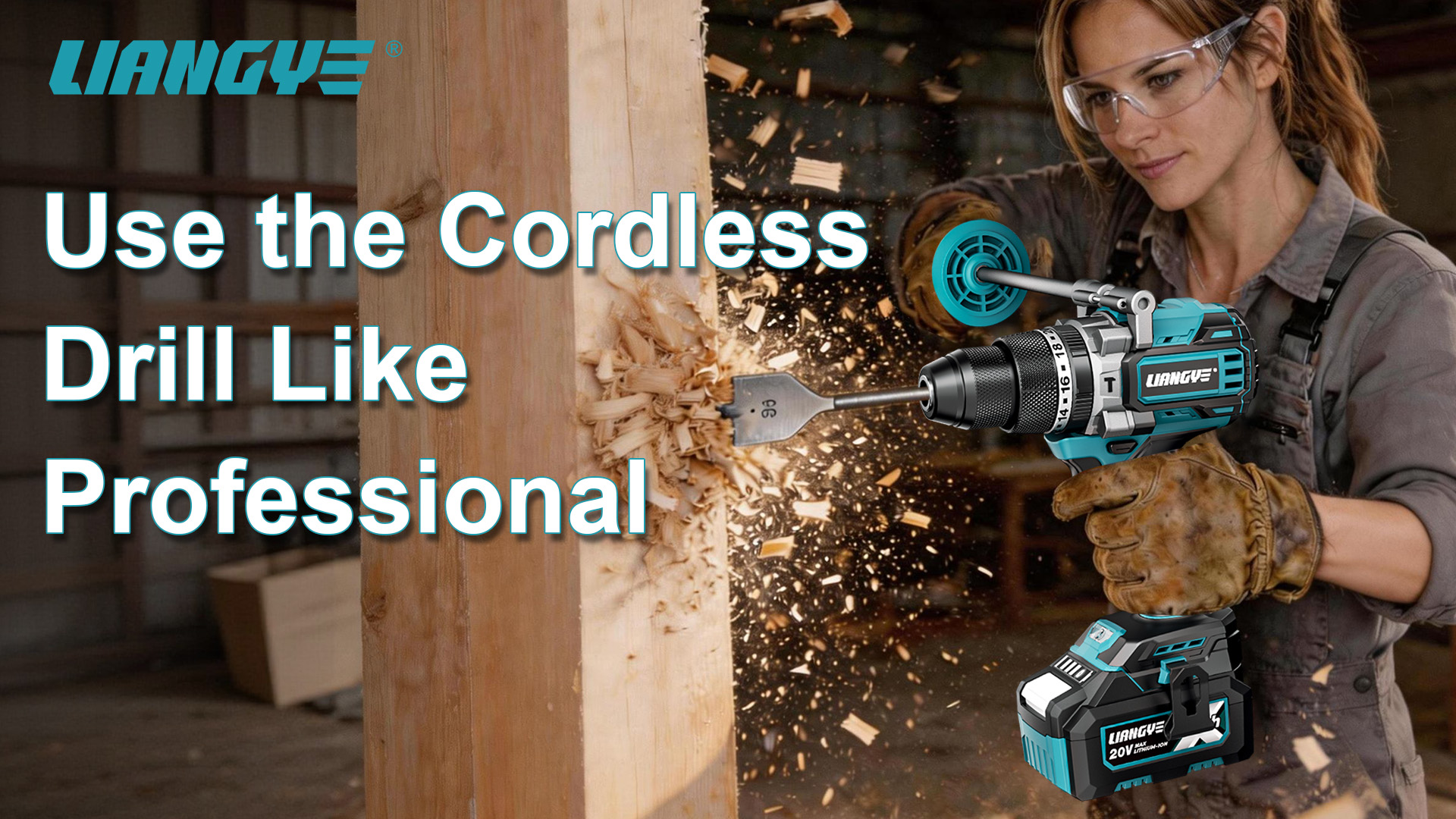
Cordless drills have become an indispensable tool for homeowners, DIY enthusiasts, and professionals alike. Their versatility allows for a wide range of tasks, from assembling furniture to drilling into hardwood, metal, or masonry. While most people understand the basic operation of a cordless drill, using one like a professional involves more than just holding the tool and pulling the trigger. Professionals understand nuances like torque adjustment, battery management, proper maintenance, and ergonomic handling, which collectively enhance performance, extend tool life, and improve the quality of every project.
In this comprehensive guide, we will explore the critical factors to consider when using a cordless drill, practical techniques to maximize efficiency, tips to protect the tool and its components, and maintenance strategies to keep it running like new. Industrial insights from Liangye Co., Ltd. provide additional guidance on choosing drills that combine safety, durability, and high performance.
Understanding Cordless Drill Basics
Before applying professional techniques, it is essential to understand how cordless drills work. A cordless drill consists of several core components: the motor, battery, chuck, trigger, gearbox, and speed control system. Each of these elements contributes to the drill’s overall performance and determines how effectively it can handle various materials.
Motor Types
Cordless drills can have either brushed or brushless motors. Brushed motors are more affordable and suitable for light to medium-duty tasks. However, they produce more heat, wear down faster, and are generally less efficient than brushless motors. Brushless motors, which are standard in professional-grade drills, provide higher torque, longer lifespan, greater energy efficiency, and less maintenance. For homeowners tackling extensive home improvement projects or professionals handling multiple jobs daily, investing in a brushless motor drill offers long-term benefits.
Battery Technology
The battery is the heart of a cordless drill. Lithium-ion (Li-ion) batteries are now the standard due to their high energy density, lightweight design, and minimal memory effect. Battery capacity, measured in ampere-hours (Ah), directly affects runtime, with higher-capacity batteries allowing longer continuous work. Some professional drills feature interchangeable batteries, so users can swap in a fresh battery during extended tasks without waiting for charging. Proper battery management ensures consistent torque and prevents interruptions.
Voltage and Torque Considerations
Voltage ratings indicate potential power output. Most home-use cordless drills range between 12V and 20V. Lower-voltage drills are sufficient for light tasks like assembling furniture or installing shelves. Higher-voltage drills offer more torque, enabling efficient drilling into hardwood, masonry, or larger fasteners. Torque settings are equally important; adjusting torque prevents stripped screws, material damage, and ensures precision, especially when working with delicate surfaces.
Choosing the Right Drill for Home Improvement
Selecting the right cordless drill involves considering not just power and battery life but also ergonomics, usability, and compatibility with various accessories.
Ergonomics and Design
A professional user prioritizes comfort and control. Ergonomic handles, balanced weight distribution, and soft grips reduce hand fatigue, improve control, and make prolonged use more manageable. Lightweight drills are ideal for occasional home use, but slightly heavier professional models often provide better stability for repetitive or heavy-duty tasks.
Speed and Torque Control
Advanced drills offer adjustable speed settings and multiple torque levels. Variable speed allows you to match drilling speed to material density, preventing overheating and maintaining control. Torque control is crucial when driving screws, especially into hardwood or dense materials. Professionals rely on the combination of speed and torque adjustment to perform a wide variety of tasks efficiently.
Drill Bits and Accessories
Even the best cordless drill cannot perform optimally without high-quality bits and suitable accessories.
Types of Drill Bits
Twist Bits: Versatile and suitable for wood, plastic, and soft metals.
Spade Bits: Designed for large-diameter holes in wood.
Masonry Bits: Necessary for concrete, brick, or stone applications.
Driver Bits: Designed for driving screws, bolts, and other fasteners.
Using the correct bit reduces wear on both the drill and the material, ensures cleaner cuts, and prevents the motor from overloading.
Essential Accessories
Professionals often utilize depth stops, guides, and magnetic holders. Depth stops prevent overdrilling and improve consistency, while guides and jigs ensure straight, accurate holes. High-quality drill sets from Liangye Co., Ltd. often come with multiple accessories to enhance precision and efficiency.
Techniques for Professional Use
Proper handling and drilling techniques distinguish professional use from casual operation.
Stance and Grip
A stable stance with feet shoulder-width apart provides balance. Holding the drill with both hands—one on the handle and one supporting the body if possible—improves control and reduces fatigue. Maintaining proper posture and alignment is essential for accurate drilling, especially when working with long or heavy materials.
Controlled Pressure
Apply steady, moderate pressure; forcing the drill can damage the bit, motor, or material. Allow the drill to do the work, particularly when driving screws or working with hard materials. Professionals understand that pacing is more effective than brute force.
Speed Management
Adjust speed based on the material. High speed works well for softwood, while lower speeds are better for hardwood, metal, or delicate surfaces. Using the correct speed reduces wear on the bit and prevents overheating of the motor.
Clamping Workpieces
Securing materials with clamps prevents movement, enhances safety, and ensures straight, precise holes. Professionals often use multiple clamps for larger pieces to avoid flexing or vibration during drilling.
Battery Care and Maintenance
Battery longevity is crucial for uninterrupted work and consistent drill performance.
Charging and Storage
Li-ion batteries should not be fully depleted before recharging. Store batteries in cool, dry locations and avoid exposure to extreme temperatures. Using the original charger or a compatible manufacturer-recommended charger ensures safe and efficient charging.
Multiple Batteries
Professionals often maintain a set of charged batteries to avoid downtime during extended projects. Swapping batteries quickly allows continuous operation without waiting for recharge cycles.
Monitoring Battery Health
Modern drills often include indicators to monitor battery charge and health. Paying attention to these indicators helps prevent unexpected power loss during critical tasks.
Drill Maintenance and Care
Proper maintenance preserves performance and prolongs tool life. Key practices include:
Cleaning dust and debris from vents, trigger, and chuck after each use.
Lubricating moving parts as recommended by the manufacturer.
Inspecting the chuck, trigger, and gearbox for wear or looseness.
Storing the drill properly in a dry location to prevent rust or damage.
A disciplined maintenance routine ensures consistent performance, safety, and long-term reliability.
Advanced Techniques for Professionals
Professional users employ advanced strategies to enhance efficiency and precision.
Pre-Drilling and Pilot Holes
Drilling a pilot hole before driving screws prevents wood splitting and allows for more accurate placement. This is especially important in hardwoods or when using large screws.
Correct Torque Application
Selecting appropriate torque settings prevents stripped screws and ensures fasteners are properly seated. Professionals adjust torque based on material and screw size for optimal results.
Multi-Speed Usage
Professional drills feature dual-speed or variable-speed options. High speeds are ideal for drilling, while lower speeds provide better control for driving screws. Adjusting speed and torque allows precise performance across materials.
Safety Considerations
Professional use prioritizes safety. Best practices include:
Wearing safety glasses and hearing protection.
Securing loose clothing and long hair.
Using clamps to stabilize workpieces.
Maintaining a clean workspace to prevent accidents.
Ensuring batteries are properly installed and functional.
High-quality drills from Liangye Co., Ltd. often include safety enhancements like electronic brakes, trigger locks, and ergonomic designs to reduce the risk of injury.
Applications for Home and Industrial Use
Cordless drills are versatile and suitable for a wide range of applications:
Home Improvement: Installing shelves, cabinets, or curtain rods.
Furniture Assembly: Driving screws and constructing DIY projects.
Light Construction: Framing, decking, or repairs.
Industrial Maintenance: Fastening components, retrofitting equipment, and routine repairs.
Professional-grade tools from Liangye Co., Ltd. offer durability, consistent torque, and long battery life for both household and industrial applications.
Conclusion
Using a cordless drill like a professional requires understanding tool components, selecting the right drill and bits, using proper techniques, and maintaining both the drill and batteries. Battery care, maintenance, and safety practices are essential for achieving consistent performance, prolonging tool life, and completing projects efficiently.
For homeowners, DIY enthusiasts, and professionals seeking reliable, high-quality cordless drills, Liangye Co., Ltd. offers industrial-grade tools engineered for performance, durability, and ergonomic operation.
FAQ
Q: How do I select the right cordless drill for home projects?
A: Consider voltage, motor type, torque, speed settings, ergonomics, and intended tasks.
Q: What is the best way to maintain a cordless drill battery?
A: Avoid full discharge, store at room temperature, and use manufacturer-approved chargers.
Q: How can I use a drill like a professional?
A: Follow proper stance, speed control, torque adjustment, and pre-drilling techniques.
Q: When should drill bits be replaced or sharpened?
A: Replace when dull, chipped, or worn to maintain cutting efficiency and prevent motor strain.


