Bevel cutting with a jig saw is notoriously prone to blade deflection and uneven edges. This persistent challenge frustrates even experienced woodworkers trying to achieve seamless, gap-free joints. While a table saw or track saw remains the gold standard for long, straight bevels, they lack necessary flexibility. The maneuverability of a cordless jig saw is indispensable for curved chamfers, tight joinery, or complex on-site installations.
Achieving clean, accurate bevel cuts requires a combination of rigid base plates, specialized guides, and correct blade selection. It demands far more than just a steady hand. You cannot rely solely on operator skill to prevent lateral blade wander. This guide provides an evidence-based framework for evaluating tool features. We will compare commercial versus DIY guides to help you make informed decisions. Read on to learn how to execute precise bevels without compromising your expensive materials.
Key Takeaways
Blade Deflection is the Primary Enemy: Thick hardwoods exaggerate blade wander; utilizing thicker, specialized bevel blades is non-negotiable.
Shoe Rigidity Drives Accuracy: Cast aluminum base plates maintain angle integrity significantly better than stamped steel alternatives under lateral pressure.
Guides Over Hand-Routing: Commercial tracks or custom DIY jigs are required for measurable, repeatable bevel accuracy.
Orbital Settings Alter Outcomes: Disengaging the orbital action reduces aggressive tear-out and helps maintain the true cut angle.
The Mechanics of Cordless Jig Saw Bevel Cutting
Let us explore the physical forces at play during complex angled cuts. An unsupported blade tip faces immense lateral resistance inside the kerf. As you tilt the base plate to a 45-degree angle, the cutting dynamics change drastically. Wood fibers push forcefully against the side of the blade instead of just the front teeth. Standard thin blades bend under this uneven pressure. This bending ruins your intended angle almost instantly. You must understand this deflection challenge to master cordless jig saw bevel cutting. Thick, dense hardwoods exaggerate this wandering effect significantly. The blade follows the path of least resistance, which is rarely a perfectly straight 45-degree line.
Why does eliminating the power cord matter so much here? Complex curves demand fluid, uninterrupted forward motion. A traditional power cord often snags on the edge of your workbench or the workpiece itself. This frustrating snagging forces you to pause mid-cut. Pausing creates ugly burn marks and uneven transition points on delicate edges. Cordless freedom offers a distinct, measurable operational advantage. You maintain continuous forward momentum around corners. You navigate tight radii without constantly repositioning a heavy cable. This mobility directly translates to cleaner, smoother edge profiles.
However, we must establish realistic tolerances before you begin. A jig saw rarely matches the decimal-point precision of a CNC router. It also trails behind a finely tuned cabinet table saw. Expecting microscopic perfection leads to frustration. Still, proper tool setup achieves exceptionally tight, glue-ready joints. Accept these physical limitations. Mitigate them through careful preparation, rigid setups, and slow feed rates. Recognizing what the tool can and cannot do is the first step toward woodworking mastery.
Essential Features to Evaluate in a Bevel Angle Jig Saw
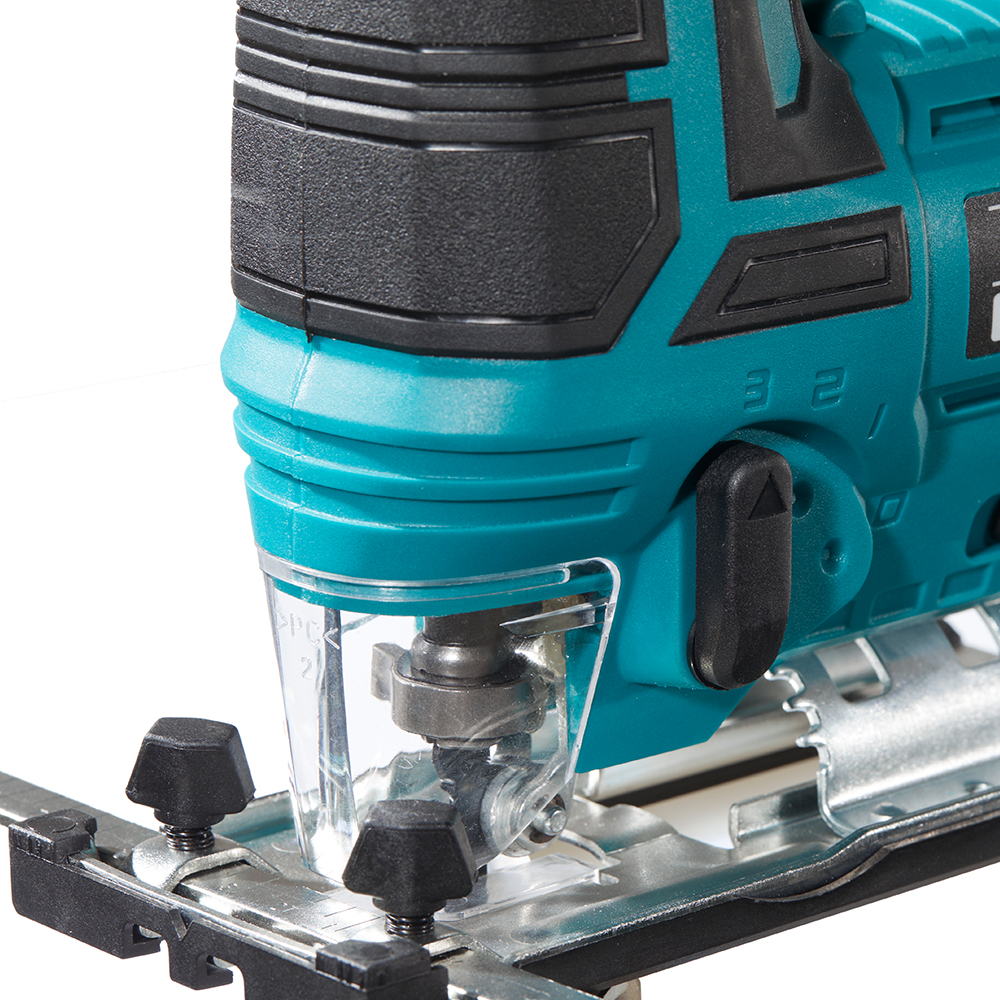
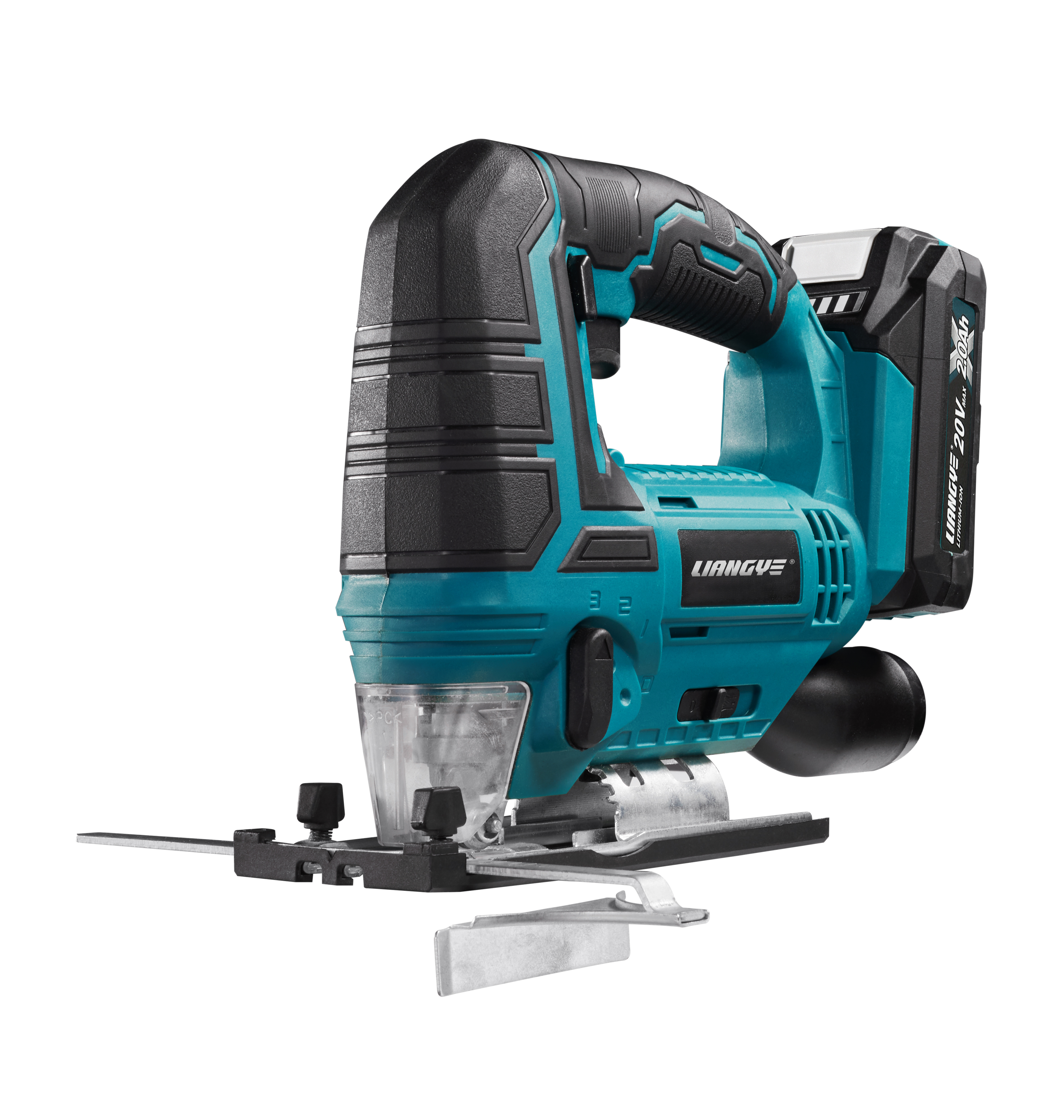
Shoe construction heavily dictates your overall success rate. You must prioritize tools featuring solid cast aluminum or magnesium base plates. Manufacturers often use stamped steel on entry-level models to cut costs. Unfortunately, stamped steel bends under typical downward operator pressure. This flexing alters your angle right in the middle of a pass. Cast metals resist this twisting force brilliantly. Tool-free adjustment mechanisms must also lock definitively. Common angles like 15°, 30°, and 45° need solid, unmoving detents. We highly recommend verifying these factory detents using a digital angle gauge. Do not trust stamped metal markings blindly when operating a bevel angle jig saw. Recalibrate your base if you detect even one degree of deviation.
Blade retention systems play a massive role in cut fidelity. A robust keyless blade clamp ensures minimal lateral play at the shank. Any wiggle inside the clamp instantly compromises the geometry. Secure clamping translates directly to a true, vertical stroke. Older systems requiring hex keys often strip out or fail to grip the T-shank evenly. Modern spring-loaded clamps distribute holding force symmetrically. This symmetrical grip prevents the blade from twisting slightly when it hits a dense wood knot.
Power delivery directly impacts your ability to maintain a consistent feed rate. A high-quality 20V cordless jig saw provides the sustained torque you need. It pushes through dense oak or maple without motor stalling. Stalling causes the blade to jump violently and score the wood. Modern brushless motors maintain RPMs even under heavy lateral loads. Stroke control is equally critical for fine detail work. You should always set an orbital jig saw to "0" for beveling. Straight up-and-down strokes prioritize maximum precision. They minimize blade wander dramatically, even if they reduce your overall cutting speed. Orbital action introduces a pendulum swing. This aggressive swing tears out wood fibers and destabilizes the angled blade tip.
Solution Categories: Commercial Guides vs. DIY Bevel Jigs
Measurable accuracy requires reliable external guidance. Freehand routing a bevel almost always yields wavy, inconsistent edges. The human hand cannot hold a perfect angle across a 24-inch board. You have two primary paths to solve this: commercial track systems or custom shop-made jigs. Each approach has unique advantages depending on your specific project needs.
| Feature Category | Commercial Track Systems | DIY Custom Jigs |
| Core Pros | Immediate deployment, universal tool compatibility, integrated clamping. | Hyper-customizable, utilizes scrap wood, adaptable for inverted mounting. |
| Core Cons | Can be expensive; generic tracks often suffer from plastic flex. | Requires upfront build time; accuracy depends on initial calibration. |
| Selection Logic | Best for users needing straight, repeatable edge chamfers. | Best for highly specialized, curved bevels or budget-conscious setups. |
| Setup Speed | Under two minutes out of the box. | Requires one to two hours of fabrication time. |
Commercial systems deploy rapidly. You can find excellent variants on Amazon, Walmart, or specialty woodworking sites. They feature integrated, low-profile clamping mechanisms. These clamps stay out of the motor housing's way. However, generic tracks sometimes use cheap plastics. Avoid thin plastic guides at all costs. Invest in rigid extruded aluminum if you choose the commercial route. They excel at straight, repeatable edge chamfers across standard sheet goods like plywood or MDF. They provide a predictable, hard edge for the base plate to ride against.
DIY custom jigs offer unmatched shop flexibility. You build them for specific, complex curves. They cost almost nothing since you build them using scrap wood or acrylic offcuts. You can even adapt a custom jig for inverted table mounting. This turns your handheld tool into a stationary precision station. The primary downside is the mandatory upfront build time. Their final accuracy relies entirely on your initial calibration skills. If you build the jig slightly out of square, every subsequent cut will fail. They remain the absolute best choice for highly specialized, curved cuts where straight commercial tracks simply cannot bend.
![Woodworker utilizing a cordless jig saw for precise bevel cuts on a custom project]()
Implementation Realities & Risk Mitigation
You need specific operational strategies to mitigate cutting risks effectively. Woodworking at an angle introduces unique physical hazards to both the operator and the material. Follow these implementation steps strictly to ensure clean results.
Select specialized blades: Mandate the use of thick, stiff blades. Products designed explicitly for beveling or hardwood resist bending forces. Standard thin blades will flex predictably under lateral load. Look for blades with a thicker spine and an aggressive tooth geometry suited for cross-cutting.
Manage feed rate: Emphasize letting the wood cutting power tool do the heavy work. Never force the saw laterally against the track. Excessive operator pressure induces severe blade deflection. Guide it gently forward using a relaxed grip.
Secure the workpiece: Cutting at an angle creates significant outward thrust. You must clamp the workpiece tightly over an open edge. Poor clamping leads to violent vibration. Vibration causes the blade teeth to chatter against the delicate angled edge, ruining the finish.
We must also address common mistakes observed in many workshops. Avoid these frequent pitfalls to save time and expensive lumber.
Ignoring blade temperature: Bevel cuts generate massive friction. Friction overheats the metal. Overheated blades lose their temper, dull quickly, and bend easily. Pause occasionally to let the metal cool.
Using the wrong TPI (Teeth Per Inch): Using a coarse 6-TPI blade on delicate veneer causes massive tear-out. Match your tooth count to the material thickness and fragility.
Failing to support the offcut: When the cut finishes, the waste piece drops. If unsupported, it tears the final wood fibers away from the good edge. Always support both sides of the cut line.
Shortlisting Your Setup: Next-Step Actions
You must evaluate your current workshop arsenal before attempting complex joinery. Upgrade decisions depend entirely on your foundational tool quality. Throwing money at expensive guides will not fix a fundamentally flawed saw. Conduct a thorough audit using these actionable steps.
Assess Current Equipment: Examine your saw closely. Does it feature a flimsy stamped shoe? Is the blade clamp loose or worn out? Upgrading the tool itself is a strict prerequisite to buying a guide. A poor tool ruins a great guide's potential instantly. Check the shoe for squareness using an engineer's square.
Guide Investment: Define your primary project scopes. If you cut mostly straight bevels for boxes, shortlist rigid aluminum clamp-edge guides. If you cut complex curves for custom furniture, download a 3D or acrylic DIY guide template instead. Match the guide type to your typical daily workflow.
Pre-Cut Verification: Always perform a test cut first. Use scrap material of the exact same density and thickness as your final project. Verify the bevel angle and blade rigidity before committing to the final pass. Adjust your setup based on this test data.
Testing on soft pine when your final piece is hard oak yields false confidence. Hardwoods push back entirely differently. They expose weaknesses in your setup that softwood hides. Mimic your final conditions exactly. This crucial verification step saves expensive materials from ending up in the scrap bin. It builds your confidence before tackling the irreplaceable project wood.
Conclusion
Mastering angled cuts requires accepting your tool's physical limitations completely. You mitigate these limits through rigid base plates, specialized guides, and premium blades. Precision is entirely possible with a disciplined, methodical approach. Let the tool work at its own natural pace. Resist the urge to rush the feed rate, even when facing tight deadlines. Speed is the enemy of accuracy in this specific context.
For serious woodworking evaluation, prioritize a high-torque 20V model featuring a cast shoe. Pair it seamlessly with a dedicated commercial or DIY guide system. This combination ensures your angles remain functional, flat, and flush during assembly. Consistent practice using these frameworks transforms average results into professional-grade joinery. Take your time, calibrate your gear, and execute your cuts with confidence.
FAQ
Q: Why does my jig saw blade bend when cutting a 45-degree bevel?
A: Bending is caused by lateral resistance pushing against an unsupported blade tip. This issue is compounded by using thin, standard blades designed only for straight cuts. Forcing the feed rate too fast also exacerbates the deflection severely. Always use thicker, specialized blades and let the tool set the pace.
Q: Should I use orbital action for bevel cuts?
A: No. Turn orbital action completely off. Straight vertical strokes provide the highest accuracy and the least deflection. While the cut takes longer to complete, this setting minimizes tear-out and helps maintain the true angle throughout the entire pass.
Q: Can a cordless jig saw cut through 2-inch hardwood at a bevel?
A: While a high-tier 20V model possesses the necessary motor power, physics works against you. A 45-degree angle in 2-inch stock requires cutting through nearly 2.8 inches of material. Deflection is highly likely over this depth. A band saw or table saw provides safer, more accurate results for dimensions this thick.