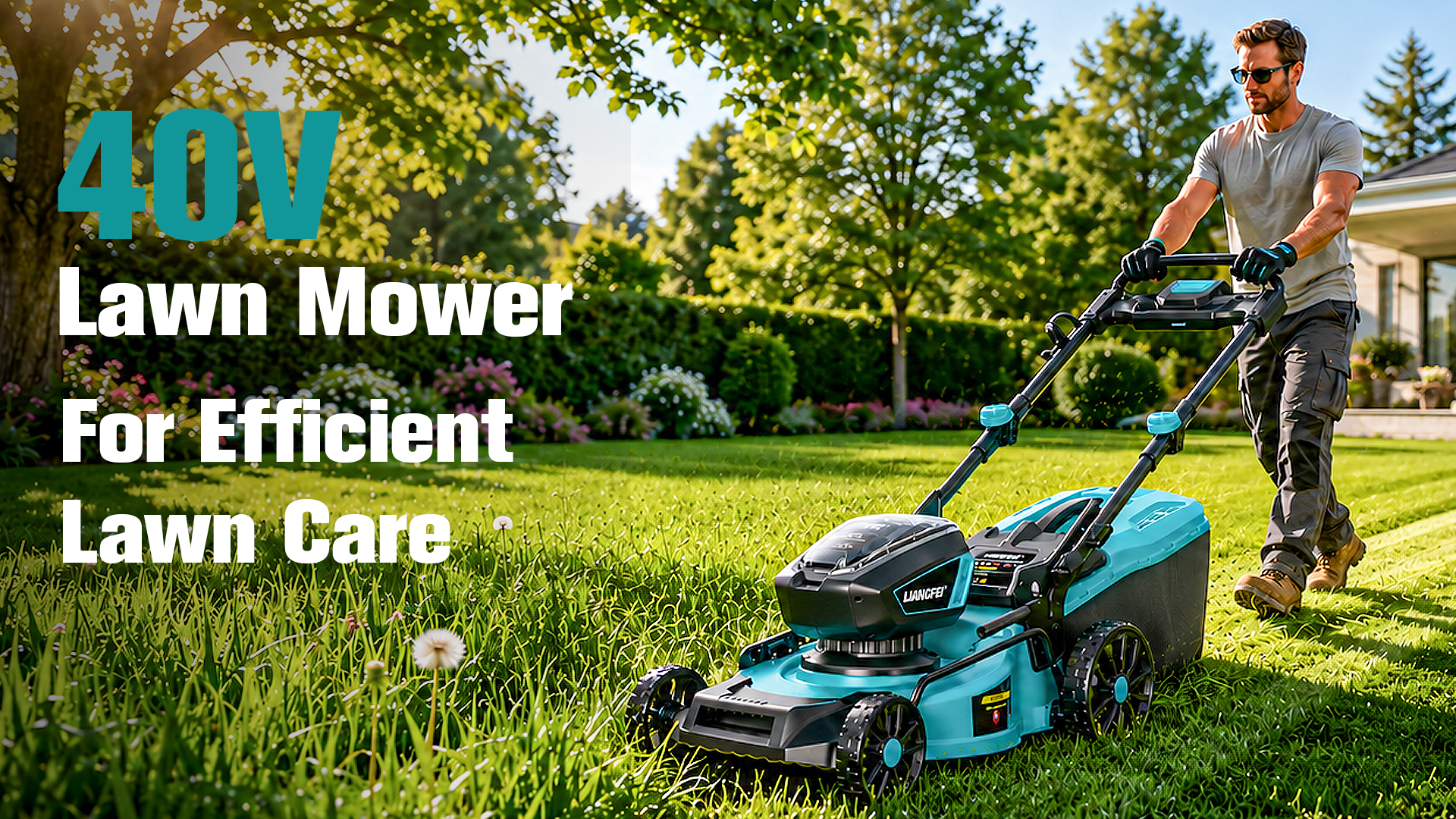
Moving from traditional gas-powered equipment to a 40V cordless lawn mower is no longer just an eco-conscious choice. It is a highly pragmatic decision. Recent advancements in lithium-ion technology and brushless motors drive this shift. Homeowners and property managers constantly face friction using gas mowers. You likely deal with intensive engine upkeep. Spark plugs, carburetors, and air filters demand frequent attention. Furthermore, disruptive engine noise often clashes with peaceful residential environments.
A 40V battery platform hits the perfect sweet spot for medium-to-large residential lawns. It provides the heavy-duty torque of a gas engine without the associated emissions or grueling maintenance. You simply need to evaluate the right technical specifications before purchasing. This guide explores core features, power capacities, and maintenance rules. You will learn how to maximize your equipment capabilities and achieve a pristine yard effortlessly.
Key Takeaways
Consistent Power Delivery: Smart brushless motors dynamically adjust blade speed based on grass thickness, extending battery life and preventing stalls.
Long-Term Cost Efficiency: Eliminating gas, oil, and complex engine maintenance offsets the initial higher purchase price of lithium-ion systems.
Scalable Ecosystems: Investing in a 40V platform often allows battery sharing across multiple outdoor landscape tools (string trimmers, blowers).
Practical Limitations: Optimal performance requires dry grass conditions and proper battery management, such as dual-battery load sharing for larger plots.
The Business Case: Why Battery Lawn Mowers Outperform Gas in Residential Scenarios
Electric outdoor power equipment has matured rapidly over the last decade. Early iterations lacked torque and runtime. Today, a modern battery lawn mower routinely matches or exceeds the performance of a standard 140cc gas engine. This performance parity makes electric models vastly superior for neighborhood use.
Noise Reduction & Compliance
Gas engines typically generate between 85 and 90 decibels of noise. This noise level causes hearing fatigue and violates strict Homeowner Association (HOA) noise ordinances. In contrast, electric motors operate around 50 to 60 decibels. You can compare this sound level to a normal human conversation. This drastic noise reduction allows for highly flexible mowing schedules. You can cut your grass early on a Saturday morning without waking your neighbors. Reduced vibration also significantly lowers physical fatigue in your hands and arms.
Zero-Emission Operation
Combustion engines release significant amounts of localized exhaust. Emphasizing zero-emission operation highlights an immediate, tangible benefit for you. Odorless, fume-free cordless grass cutting vastly improves user comfort. You no longer finish yard work smelling like unburned hydrocarbons. Furthermore, removing localized carbon footprints contributes to cleaner neighborhood air quality. You never have to handle messy gas cans or worry about fuel spilling on your driveway.
Start & Go Reliability
The physical strain of pull-cord starts frustrates many homeowners. Traditional engines often flood or refuse to turn over after winter storage. Electric systems completely eliminate this friction. They feature highly reliable, push-button electronic ignition systems. You slide the battery into the port, press a button, and pull the bail handle. The motor fires up flawlessly every single time. This instant readiness removes the dread often associated with weekend yard chores.
Evaluating Power and Capacity: Is a 40V Brushless Cordless Mower Enough for Your Yard?
Voltage represents the raw electrical potential of the tool. A 40V system hits a prime optimization point. It provides enough power to drive large 20-inch or 21-inch cutting decks while keeping battery weight manageable.
Motor Architecture
Understanding how a brushless cordless mower operates helps you appreciate its efficiency. Older brushed motors use physical carbon blocks to transfer electricity. This creates friction, generates heat, and wastes energy. Brushless motors utilize smart-sensing electronics and magnets instead. They adapt torque on the fly. This acts much like "cylinder deactivation" in modern cars. When you cut thin, dry grass, the motor lowers the RPM to save battery. When you hit a thick, dense patch of weeds, the microprocessor detects resistance. It instantly ramps up power to maintain blade speed. This prevents stalling and maximizes every drop of battery juice.
Runtime Realities vs. Manufacturer Claims
Manufacturers often test runtimes under ideal, zero-load conditions. Real-world performance requires a more nuanced understanding. Thick grass and self-propulsion drain batteries faster than marketing brochures suggest.
Chart: Estimated Real-World Runtime vs. Battery Setup | Battery Configuration | Estimated Runtime | Ideal Yard Size Capacity |
| Single 4.0Ah / 5.0Ah | 40 – 45 minutes | Up to 1/4 acre |
| Dual 4.0Ah / 5.0Ah | 60 – 70 minutes | 1/4 acre to 1/2 acre |
| Dual 6.0Ah+ High Capacity | 75+ minutes | Up to 3/4 acre |
Load Sharing Strategy
Premium platforms now feature dual-battery ports. Some ports simply store a backup battery. However, advanced systems feature active load sharing. The machine draws current from both batteries simultaneously. This reduces the heat generated inside individual cells. Running dual batteries together improves overall discharge health. It ensures better battery longevity compared to draining one completely to zero before swapping to the next.
![40V cordless lawn mower operation]()
Essential Features to Prioritize in Your Decision-Stage Evaluation
Finding the right machine means looking beyond the battery. The physical deck design and drive mechanism dictate how the tool feels during a long mowing session.
Drive Mechanisms: Push vs. Self-Propelled
You must choose between manual push models and self-propelled units. Your yard topography dictates this choice.
| Feature | Manual Push | Self-Propelled |
| Weight | Lighter (Easier to pivot) | Heavier (Contains drive motor) |
| Deck Size | Usually 16" to 18" | Usually 20" to 21" |
| Battery Usage | Conserves battery (blade only) | Drains battery faster (drives wheels) |
| Ideal Terrain | Flat, small, tight garden beds | Slopes, thick turf, open spaces |
Manual push units maneuver beautifully around intricate garden beds. They conserve energy strictly for the cutting blade. Self-propelled models utilize an internal motor to drive the rear or front wheels. They significantly reduce user fatigue on sloping terrain.
Cutting Deck Versatility (3-in-1 Systems)
Modern decks must handle grass clippings efficiently. You want a model functioning as a versatile mulching lawn mower. Mulching chops grass into fine pieces and returns nitrogen-rich clippings back to the soil. This naturally fertilizes your lawn. Ensure the machine also offers reliable rear-bagging capabilities for fall leaf cleanup. Side-discharge options help you power through overgrown, neglected patches without clogging the deck.
Ergonomics & Usability
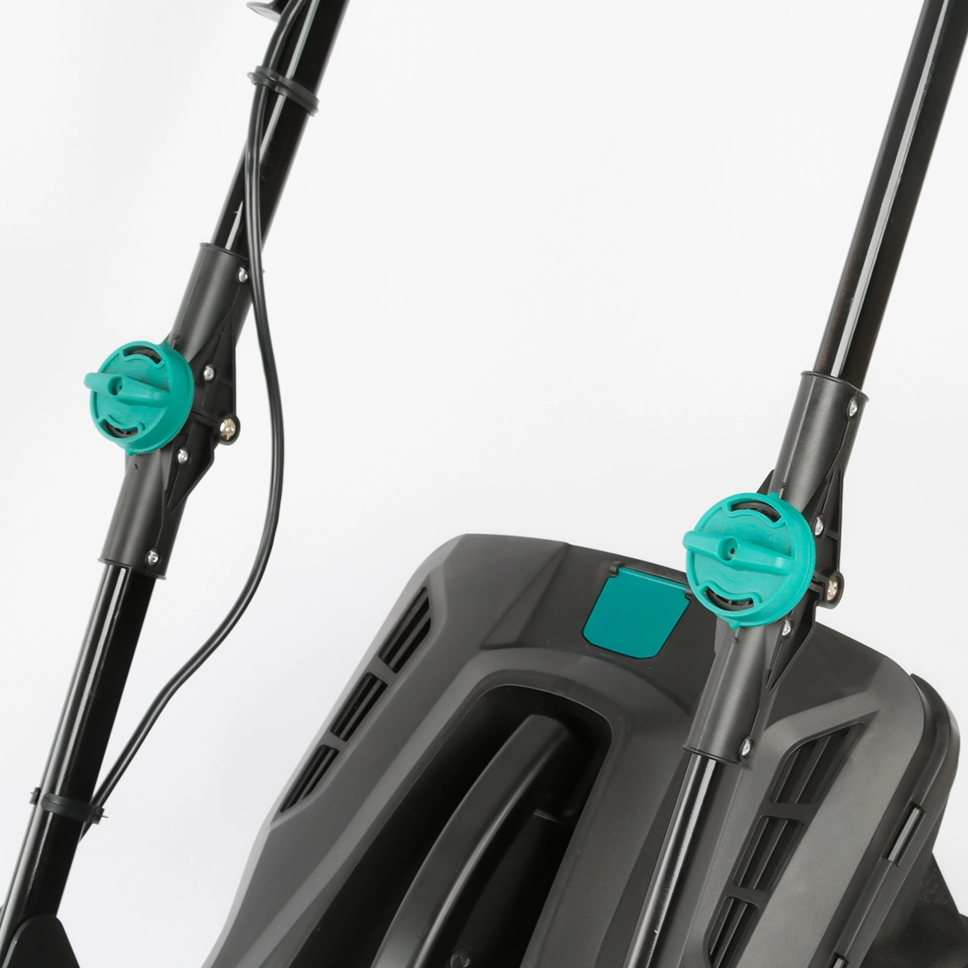
Look for multi-position height adjustments. A 6-position or 7-position single-lever system allows you to lift the entire deck with one hand. This proves vastly superior to adjusting four individual wheels. Adjustable handles also matter. They accommodate different user heights, preventing back strain during prolonged use.
Platform Scalability: Leveraging Your 40V Garden Tool Ecosystem
You should frame this purchase as buying into a broader power ecosystem rather than just acquiring a single machine. The underlying battery platform dictates your future outdoor capabilities.
The "One Battery, Multiple Tools" Advantage
A 40V lithium-ion battery houses immense energy. It easily powers heavy-duty equipment beyond grass cutting. Top manufacturers design their batteries to slide seamlessly into multiple devices. Once you own the batteries and the rapid charger, you unlock massive flexibility.
Cost-Effective Expansion
Owning a primary 40V power source allows you to purchase "tool-only" (bare tool) versions of other equipment. You buy the tool without paying for redundant chargers or batteries. This drastically reduces the cost of expanding your shed. You can easily add the following bare tools to your arsenal:
String Trimmers: Perfect for edging along sidewalks and clearing around fence posts.
Jet-Fan Blowers: Delivers massive CFM (Cubic Feet per Minute) to clear wet leaves from driveways.
Pole Saws & Chainsaws: Handles overhead branch trimming and small tree removal safely.
Hedge Trimmers: Shapes thick bushes quickly without dragging extension cords across the yard.
Redundancy and Battery Health
Rotating a 40V garden tool battery across different seasonal equipment keeps the lithium cells active. Batteries degrade if left dormant for six months. Using the same battery for your mower in summer and your leaf blower in autumn maintains long-term cell health. It ensures you always have a charged backup ready for large projects.
Implementation Realities and Maintenance Best Practices
Electric equipment requires far less maintenance than combustion engines. However, it is not completely maintenance-free. Proper care dictates whether your machine lasts three years or ten years.
Battery Care for Maximum Lifespan
Lithium-ion chemistry dictates strict storage rules. You must follow these non-negotiable guidelines to protect your investment.
Temperature Control: Never store batteries in a freezing shed or a blistering hot garage. Extreme heat degrades lithium cells rapidly. Keep them indoors in a climate-controlled, dry environment.
Charging Discipline: Avoid leaving batteries on the charger indefinitely after they reach 100%. Unplug the charger to prevent micro-cycling.
Discharge Limits: Do not deplete batteries to absolute zero. Recharge them when they drop to one indicator light.
Common Mistake: Many users leave their batteries inside the mower out in the sun during a break. Always park the unit in the shade to prevent thermal overload sensors from tripping.
Operational Limitations (The Wet Grass Rule)
You must honestly address operational limits. Electric mowers struggle significantly with wet grass. Moisture causes clippings to bind together. This creates a thick paste inside the cutting chamber. The wet clumps clog the deck and block the mulching blade. Consequently, the brushless motor works twice as hard to maintain RPM. This extreme resistance drains battery life drastically and leaves uneven clumps across your yard. Always wait for the morning dew to burn off before starting your work.
Hardware Maintenance
While spark plugs and carburetors are gone, physical maintenance remains necessary. You must routinely tilt the machine and clean the undercarriage. Use a plastic scraper to remove dried grass buildup. This ensures proper airflow for mulching. Utilize vertical folding features for space-saving, rust-free storage. Furthermore, you must occasionally sharpen the standard or cross-cut blades. A dull blade tears the grass instead of cutting it cleanly. Torn grass turns yellow and invites disease.
Framework for Shortlisting Your Ideal Model
Walking into a hardware store without a framework leads to buyer's remorse. Use these criteria to narrow down the crowded field of electric options.
Assess the Terrain
Map your yard size strictly to the deck size and drive type. If you have a flat, 1/8-acre urban lot with tight corners, a 16-inch manual push model works best. It maneuvers easily around tight fences. If you manage a 1/2-acre suburban lot with rolling hills, demand a 21-inch self-propelled model. Do not buy a massive deck for a tiny yard; you will struggle to turn it.
Verify Third-Party Endorsements
Look beyond manufacturer specifications. Independent testing bodies rigorously evaluate cut quality, battery heat management, and durability. Check consumer aggregate sites for high recommendation rates. Aim for models boasting an 85% or higher user recommendation rate. Pay close attention to reviews mentioning cut evenness and bagging efficiency.
Check Charge Times
Factor in charging speed before making a decision. Standard chargers might take three to four hours to replenish a high-capacity battery. Premium models feature fast chargers capable of replenishing a 40V battery in 1 to 2 hours. Fast charging minimizes downtime during large weekend yard projects. It allows you to take a lunch break and return to a fully charged battery.
Conclusion
To summarize, 40V cordless mowers provide the definitive balance of power, quiet operation, and low maintenance for the modern homeowner. They successfully merge the heavy torque required for thick turf with the convenience of push-button technology. By eliminating engine upkeep, you reclaim your weekend hours.
Your actionable next step requires a quick yard audit. Measure your mowable square footage. Determine if slopes dictate a self-propelled requirement. Finally, review the broader brand ecosystem to ensure their supplementary tools align with your future landscaping needs. Upgrading your shed today guarantees a quieter, cleaner, and highly efficient lawn care routine tomorrow.
FAQ
Q: How long does a 40V lawn mower battery last on a single charge?
A: Typically, a battery lasts 40 to 70 minutes depending on battery amp-hours (Ah), grass thickness, and whether the self-propelled feature is engaged. Using dual batteries extends this runtime significantly.
Q: Can I mow wet grass with a battery-powered mower?
A: It is highly discouraged. Wet grass clumps easily, clogging the deck. This forces the brushless motor to overwork, which prematurely drains the battery and leaves an uneven cut.
Q: How long does it take to recharge a 40V mower battery?
A: Most standard industry rapid chargers will bring a depleted lithium-ion battery back to full capacity within 1 to 2 hours. Standard, non-rapid chargers may take up to 4 hours.
Q: Do cordless mowers require any maintenance at all?
A: Yes, but it is minimal. While there are no oil changes or spark plugs, users must clean the cutting deck after use, sharpen the blades annually, and store batteries indoors away from extreme temperatures.