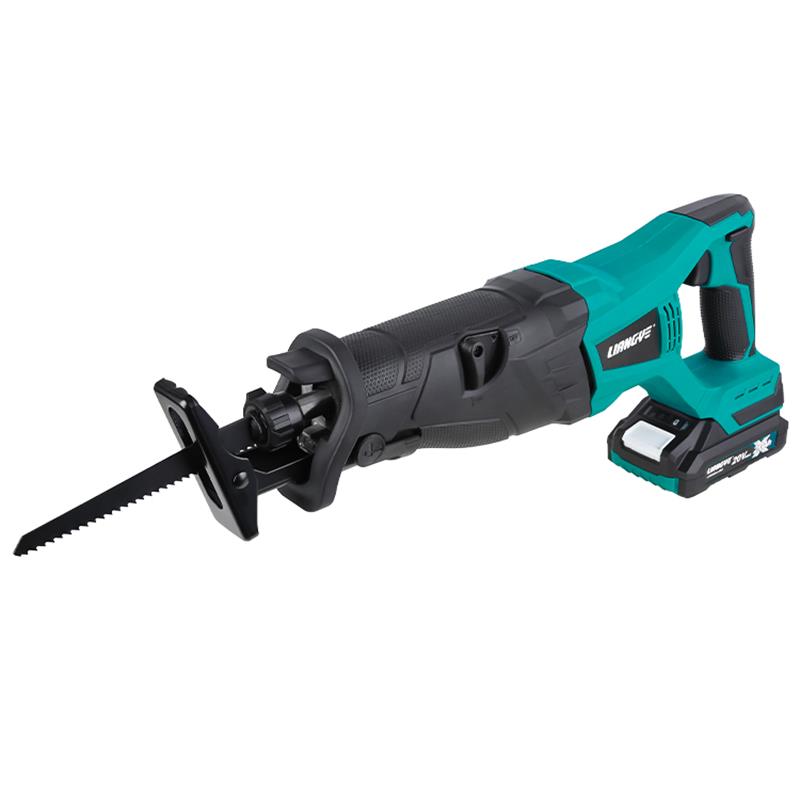
Purchasing the wrong demolition equipment guarantees immediate frustration on any job site. Choosing incorrectly results in severely compromised battery efficiency. It causes intense operator fatigue over long shifts. Worst of all, it frequently triggers dangerous kickback when working in confined spaces. Manufacturers heavily market voltage ratings and motor types to buyers today. Yet, the true cutting efficiency of your equipment hinges on a different metric. The actual performance relies directly on the core stroke length specification. This measurement represents the exact distance the blade travels per rotation. It changes how the tool behaves completely.
This comprehensive guide deconstructs these confusing stroke length specifications carefully. We analyze the critical performance trade-offs between compact precision models and heavy-duty alternatives. Understanding these details helps professionals and serious DIYers finalize their purchasing decision confidently. You will learn how to match tool dimensions with your exact job site needs. By evaluating these mechanics, we prevent you from overpaying for unnecessary features. You will understand exactly how to avoid dangerous binding in tight wall cavities. Ultimately, mastering this specification ensures you work smarter and safer.
Key Takeaways
Stroke Length Dictates Application: Short strokes (under 1") excel in tight clearances and plumbing; long strokes (1-1/8" to 1-1/4"+) maximize material removal in open framing demolition.
The Cordless Trade-off: Longer strokes demand more power; pairing a long-stroke tool with a brushless reciprocating saw motor is critical to prevent rapid battery drain.
Synergy Over Specs: Raw stroke length means little without factoring in orbital action, adjustable shoe utilization, and job-specific carbide blades.
Vibration Management: Heavy demolition requires matching long-stroke aggressiveness with built-in anti-vibration technology and correct operator mechanics.
The Mechanics of Stroke Length in a Demolition Cutting Tool
Let us define the primary specification before examining any specific brands. The cordless reciprocating saw stroke length typically ranges from 1/2-inch to 1-1/4-inches. Some ultra-heavy models push this measurement up to a massive 1.5 inches. This technical specification dictates exactly how many individual blade teeth engage the material per cycle. When you deploy a robust demolition cutting tool, understanding this physical engagement is crucial. More teeth dragging across the wood means deeper scoring.
The cut speed equation remains straightforward across all brands. A longer stroke clears sawdust and swarf much faster. Consequently, it delivers a significantly faster cut overall. However, this aggressive back-and-forth motion requires ample physical clearance behind your workpiece. Plunging a long blade into a shallow wall cavity invites disaster. The blade tip will inevitably strike the back wall violently. This collision causes immediate and dangerous kickback, potentially injuring the operator. We must balance speed with the realities of confined spaces.
Furthermore, we must account for the strict cordless constraint. Pushing a long stroke through dense, wet timber draws extremely high amperage. In a standard 20V reciprocating saw environment, this power draw drains weak batteries rapidly. Buyers must closely scrutinize battery Ah (Amp-hour) ratings before purchase. Selecting 1-1/8-inch or larger stroke models demands premium batteries to maintain sustained power. Using cheap, low-capacity packs leads to frustrating thermal shutdowns mid-cut. High-draw applications require robust energy reserves to maintain proper strokes per minute (SPM).
Common Mistakes in Stroke Mechanics:
Ignoring the depth of the cavity behind the cut.
Using a 2.0Ah battery on a heavy-duty 1-1/4" stroke saw.
Forcing the tool forward instead of letting the stroke do the work.
![Cordless Reciprocating Saw Demolition Work Environments]()
Stroke Length Tiers: Matching the Spec to the Application
Different demolition jobs require distinctly different stroke lengths. We categorize these tools into three core tiers to simplify your selection process. Understanding these tiers prevents you from bringing the wrong equipment to a specialized job.
Compact / Short Stroke (5/8” to 7/8”)
These compact models provide exceptional control in terrible working conditions. They are absolutely best for HVAC installations, plumbing repairs, tight wall cavities, and precise PVC or copper pipe cuts. The primary advantage here is remarkably lower vibration. Users can often operate these smaller units safely one-handed. A short stroke drastically minimizes the risk of the blade tip striking hidden obstacles behind the workpiece. Plumbers rely heavily on this tier to slice pipes safely inside finished cabinets. It prioritizes finesse over raw destructive power.
Standard All-Rounder (1” to 1-1/8”)
Standard sizes bridge the difficult gap between finesse and heavy power. They represent the industry standard for a reason. These models are best for mixed-material renovations, general framing alterations, and standard commercial tear-outs. The main advantage is finding an optimal balance. You get excellent cutting aggression without carrying excessive tool weight all day. They suit contractors who need one reliable tool in their truck. You can comfortably handle 80% of varied job site tasks using this specific tier.
Heavy Demolition (1-1/4” and above)
When facing massive, whole-house tear-downs, you need maximum reach. These massive saws are best for tearing down structural timber, old roofing, concrete forms, and thick cast iron pipes. The main advantage is maximum material removal per minute. However, they strictly require firm two-handed operation. They also demand high-capacity battery packs to sustain their intense power draw. Using them overhead becomes fatiguing very quickly. They remain specialty tools built purely for aggressive destruction.
| Stroke Length Tier | Measurement Range | Ideal Applications | Key Advantage |
| Compact Precision | 5/8" – 7/8" | Plumbing, PVC, HVAC, tight cavities | Low vibration, one-handed use, prevents kickback |
| Standard All-Rounder | 1" – 1-1/8" | Framing, mixed renovations, tear-outs | Optimal balance of weight and cutting speed |
| Heavy Demolition | 1-1/4" and above | Structural timber, roofing, cast iron | Maximum material removal and SPM capability |
Evaluating Synergy: Orbital Action, Motors, and Metal Cutting
Raw specifications rarely tell the whole story on a job site. You must pair a good stroke length with the right internal technology. Synergy between components dictates the final user experience.
Orbital Action Integration
An orbital action reciprocating saw changes the cutting dynamic completely. Instead of moving purely back and forth, the blade moves in an elliptical motion. It lifts slightly on the return stroke. A long stroke paired with orbital action exponentially increases cutting speed in wood. It aggressively digs in and clears chips instantly. This prevents the blade from gumming up in wet lumber. However, you must disable the orbital mode entirely for metal. Plunging an orbital blade into steel causes violent bouncing and shatters teeth.
The Necessity of Brushless Tech
You cannot run a heavy-duty tool efficiently on outdated brushed motors. Using a brushless reciprocating saw represents a non-negotiable standard for long-stroke cordless models. Brushless technology offers vastly superior heat management. Because there are no carbon brushes creating friction, it prolongs overall motor life significantly. Most importantly, it delivers 30-50% more runtime per charge. This incredible efficiency directly offsets the high energy demands of pushing a long stroke through dense material.
Metal Cutting Requirements
We must adjust our tactics entirely for tough materials. When you need a reliable cordless saw for metal cutting, bigger is not better. Cutting hard metals like stainless steel or thick cast iron requires a shorter or standard stroke. You must combine this shorter stroke with variable speed triggers. Running the tool at lower SPM prevents blade overheating. Slow, steady cuts prevent premature dulling. If you run a long stroke at maximum speed on steel, you will melt the blade in seconds.
Best Practices for Metal Cutting:
Turn off all orbital action features completely.
Use cutting fluid or oil to keep the blade cool.
Apply gentle, consistent pressure instead of forcing the cut.
Select a high TPI (Teeth Per Inch) bi-metal or carbide blade.
Implementation Realities: Vibration, Ergonomics, and Kickback Risks
Incredible power means nothing if you cannot safely control the saw. We must manage the intense physical forces at play during heavy demolition. Poor ergonomics ruin perfectly good specifications.
The Vibration Penalty
A longer stroke inherently generates much more reciprocal force. This physical reality creates a severe vibration penalty over time. Professional users must evaluate built-in anti-vibration systems critically. Look for advanced internal counterbalances and thick cushion grips. These specific features are strictly necessary for all-day commercial use. They protect your joints, prevent white-finger conditions, and delay early operator fatigue. A lighter saw without vibration control feels much heavier after an hour of cutting.
The Adjustable Shoe Mandate
Regardless of the tool size, the front shoe matters immensely. The tool's shoe must press firmly against your workpiece at all times. This represents the most effective, operator-controlled method to eliminate chatter. Many amateurs hover the saw away from the material, causing violent shaking.
Best Practice: Use an articulating or adjustable shoe to change the blade depth periodically. This exposes fresh, unused teeth on your long blade. It maximizes both blade lifespan and the stroke's cutting depth safely. A fixed shoe wastes half of your expensive blade.
Demolition Techniques: The Rocking Method
Thick materials easily bind long blades, causing stalls. We solve this common issue using the professional "rocking" technique. You do not just hold the trigger and push straight. Instead, you gently pivot the saw housing up and down vertically. This deliberate motion reduces the number of teeth engaged simultaneously. It prevents a long-stroke blade from binding in thick laminated beams. Rocking the saw effectively channels the motor's power into a smaller, concentrated cutting area.
Shortlisting Framework: Finalizing Your Purchase Decision
We must streamline your buying process to avoid analysis paralysis. Use this structured framework to find your ideal tool quickly. Follow these specific steps sequentially to guarantee a successful purchase.
Step 1: Assess Primary Material & Clearance. Analyze your daily tasks carefully. If 70% of your work happens in finished walls or tight joists, cap your stroke length at 1 inch. This strict limit helps you avoid expensive structural collateral damage behind walls.
Step 2: Battery Ecosystem Audit. Power draw dictates your actual runtime. If opting for a 1-1/4" heavy demolition model, verify your battery reserves immediately. Ensure you own or budget for robust 5.0Ah to 8.0Ah+ batteries to handle the immense draw without thermal shutdown.
Step 3: Feature Verification. Do not skip essential safety and convenience checks. Ensure your shortlisted model includes tool-less blade changes for quick swaps. Check for a sturdy articulating shoe. Verify the presence of an electronic brake for instant stopping safety after releasing the trigger.
Step 4: Blade Investment. A premium tool completely fails with a cheap blade. Factor in the cost of application-specific Carbide blades for heavy demo or mixed materials. Quality Bi-metal blades fully leverage the tool's maximum stroke length potential safely.
Conclusion
Bigger is rarely universally better in the world of demolition. The optimal stroke length represents a highly calculated compromise. You must balance cutting speed, physical space constraints, and battery efficiency carefully. Shorter strokes provide unmatched control for delicate plumbing tasks and prevent wall damage. Conversely, longer strokes devour structural framing rapidly but demand premium battery support. Audit your most frequent demolition tasks thoroughly today. Review your current battery platform capabilities honestly. Then, confidently select from the compact, standard, or heavy-duty tiers to elevate your daily productivity and safety.
FAQ
Q: Does a longer stroke length drain a cordless battery faster?
A: Yes, driving a longer stroke through dense material requires more torque and amperage. High-capacity batteries and brushless motors are recommended for 1-1/8" strokes and above.
Q: What is the best stroke length for a cordless saw for metal cutting?
A: A 1-inch to 1-1/8-inch stroke is generally ideal. More importantly, cutting metal requires turning off orbital action and using lower speeds (SPM) to let the teeth bite without burning out the blade.
Q: Why is my reciprocating saw kicking back violently during demolition?
A: This usually occurs when the stroke length is longer than the clearance behind the material, causing the blade tip to hit an obstruction on the return stroke. Switching to a shorter blade or a shorter-stroke compact saw resolves this.
Q: Do I really need an orbital action reciprocating saw for demo work?
A: For wood and mixed-wood demolition, orbital action drastically reduces cut times by clearing debris faster. If your primary use is plumbing or metalwork, it is an unnecessary feature.